Maintaining Domain Authority Metrics Within Large-Scale Campaigns
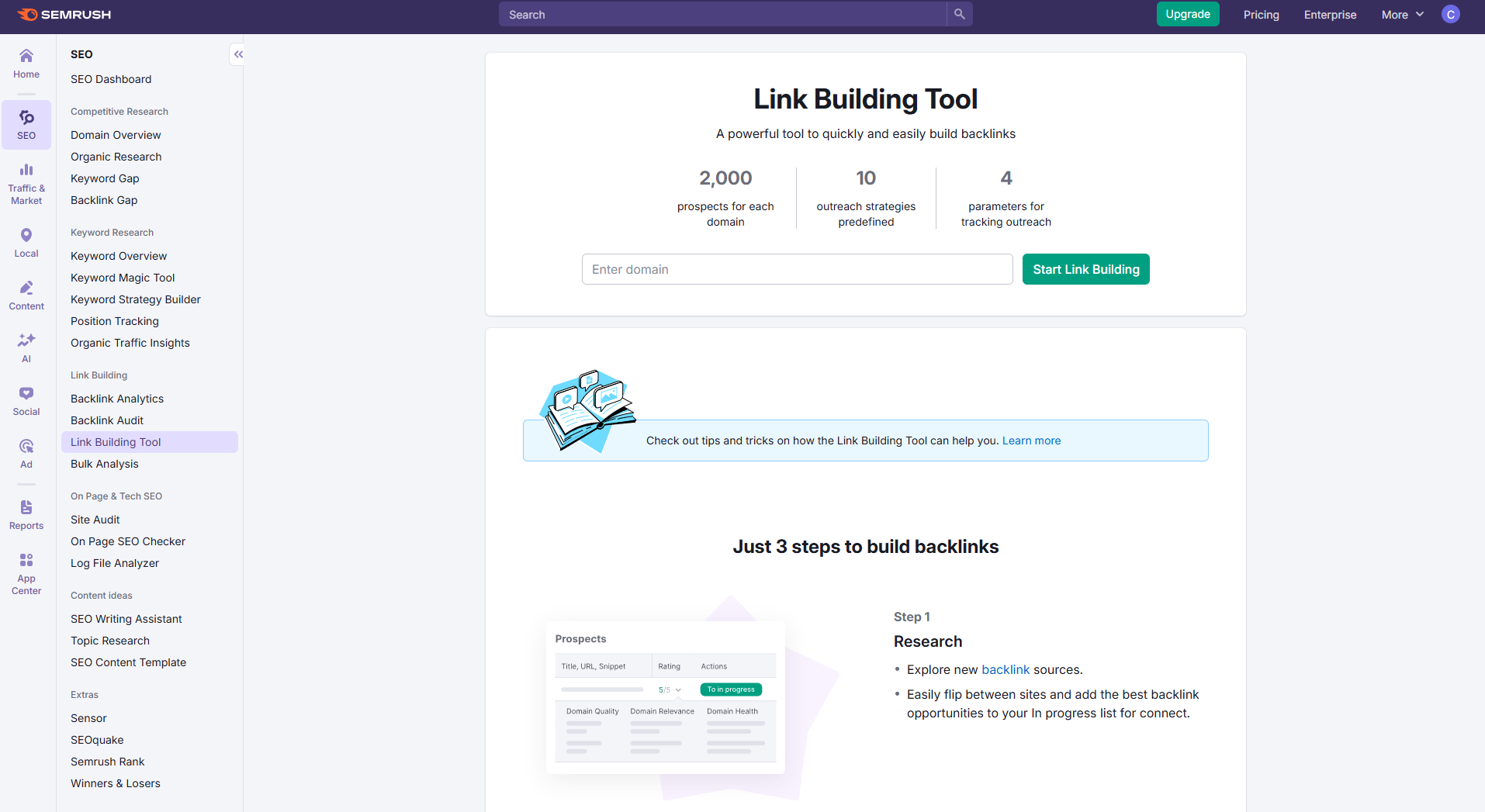
The real power lies not in discovering a magic bullet, but in tactically assembling a tech stack that multiplies your efforts and maximizes your time for what genuinely matters: constructing genuine relationships and producing high-value content. The tools we've covered, from all-in-one powerhouses like Ahrefs and Semrush to specialized outreach platforms like Pitchbox and Respona, all objective to fix an important piece of the link structure puzzle.
The journey to an advanced link structure engine is a process of layering automation. This is where fundamental link structure is non-negotiable.
As soon as you have a baseline of presence, you can utilize tools like Hunter or to discover contact info at scale, feeding that information into outreach systems like Mailshake or Postaga to automate your email series for guest posting, broken link structure, or resource page positionings. The goal is to develop a workflow where automation manages the 90% of a job that is repetitive, leaving you to focus on the 10% that requires human imagination and personalization.
Examine the ROI in terms of hours conserved and prospective links obtained. How well do your selected tools work together? A smooth circulation of information from your research study tool to your CRM and then to your outreach platform is vital for true automation.
They manage the prospecting, the follow-ups, and the information management, permitting you to invest your most valuable resource, your time, into crafting compelling pitches and fostering connections that lead to high-authority backlinks. Pick wisely, begin little, and construct a system that turns the strenuous job of link building into a foreseeable growth engine for your business.
Selecting the Best SEO Tools for Link Acquisition
To circumvent that, the safest mental model is: Automation is fantastic at moving information around, but it's horrible at making trust. And link structure real link building is mostly about trust and importance.
GSA SER global sitelistDiscovering e-mails. Where automation may stop working is the step where a 3rd celebration should make a choice: "Yes, I'll cite you".
So when people state "automated link building," it helps to divide it into two kinds. is the safe one. It consists of scraping, scoring, routing, follow-up series, QA, notifies, and reporting. is, on the contrary, the dangerous one. It makes up auto-posting to networks, automated link exchanges, automated paid positionings, and mass guest-post pipelines.
When you do automation right, your team invests less time on sorting and chasing. Rather, they can focus on 2 things that in fact acquire links: finding a genuine fit and making a credible contribution.
For a human, that bulk of manual labor would take weeks. Here's a prospecting scorecard you can use as a gate before anything reaches outreach. Topical match Is this site/page truly about your subject or adjacent entities? Clear classification overlap, pertinent sections/authors Indexation & presence Does this site appear to have a genuine natural presence? Indexed pages, constant publishing flow, non-zero presence Outbound link patterns Does it appear like a link farm or "write for us" mill? Affordable outbound links, not undoubtedly commercial-heavy Content quality Would a real individual cite this as a source? Editorial structure, uniqueness, clear value for audience Contactability Can you reach somebody who can state "yes"? Editor page, bylines, guidelines, LinkedIn, genuine contact info Let automation do the rough scoring, and reserve human judgment for the leading band.
Expert Guidance for Improving Link Submission Rates
Many outreach fails for one dull factor: individuals pitch the incorrect thing to the wrong page type. You can improve contacts (function, beat, section owner), pull the last 35 articles, find whether a page is an editorial article or a curated list, and then route potential customers into the ideal project track.
GSA SER global sitelistA pitch makes sense where attention currently exists: unlinked discusses, dead links, or outdated recommendations. Individuals anticipate too much from AI in outreach and too little from solid mechanics.
Humans then take that raw input to organize it as a narrative covering why the pattern matters, what it indicates, and how a reader must respond. This matters more now because Google has honestly split down on large-scale material the more so if the content's been recognized to game rankings, not to help users.
Expert Workflows for High-Velocity Link Growth
If you're creating pages generally to have surfaces to point links at, you're off course. In our experience, for lots of sites, it's internal connecting, not external link acquisition, that accounts for a bigger part of link-building results. Google finds pages, comprehends which of them are essential, and identifies hierarchy between subjects a lot more easily when assisted through internal links.
(Google for Developers) Internal linking is fully automatable. The excellent thing is that it's almost difficult to cross into risky practices. What you can automate: spotting orphan pages connecting new content back to core centers determining broken or dead internal links flagging pages that aren't well-linked internally offering anchor text options based on intent clusters Automated link structure might in some cases feel sketchy.
It frequently is just fixing reality: you were mentioned however not linked a link broke since a URL changed a page 404 'd after a migration a website refreshed an article however dropped the initial citation Thanks to automation, you get the alert exactly the minute it happens. What you can do now is stepping in with a low-friction message to the publisher.
Professional Practices for Strategic SEO Generation
The pleasant part here is that a backlink is a byproduct when you keep details precise and citations undamaged. In this section, let's see how automation becomes hazardous (since it tempts you to use it as "just a tool"). For Google, outcomes and patterns matter, it's uninformed of your intent.
In Google's spam policies, you'll discover habits that can trigger pages or websites to rank lower or get no visibility. Link spam belongs to that universe, too. Paying for links itself isn't the violation; it just ends up being a problem when paid links discreetly influence rankings. Google sets out clear directions on qualifying outbound links utilizing rel attributes like sponsored and ugc.
We broke the flow into five easy-to-follow chunks. Not every page can earn links naturally. Money pages frequently earn links inadequately. You can still offer them indirect assistance using hub pages, research, tools, comparisons, and guides. This is the method to make your technique cleaner since you're not jamming editorial links into business URLs (this constantly feels abnormal).